SKIP TO CONTENT
A driver says, “I never saw the motorcycle.” That line shows up a lot after serious wrecks. It also hides the real issue: who actually caused the crash, and what proof will hold up when the other side starts pointing fingers?
In Oklahoma, fault is not automatic. It has to be built with facts. According to the National Highway Traffic Safety Administration, 6,335 motorcyclists were killed in the United States in 2023. Those crashes often lead to fierce liability disputes because riders suffer severe injuries, and insurance companies know the claim value can be high.
How Oklahoma fault disputes play out after a motorcycle crash
Most Oklahoma motorcycle cases turn on a simple question: whose choice caused the impact? The hard part is that insurers often start with bias, not evidence.
On I-44 near the Belle Isle corridor, at the Broadway Extension merge, or around NW Expressway during State Fair traffic, the story often changes fast. A driver may claim the rider was “flying” through traffic even when impact damage says otherwise. Around Bricktown after a Thunder game, or near Cherry Street in Tulsa on a packed weekend night, witnesses may remember noise more than sequence. That matters. So does local road design.
Oklahoma riders know the trouble spots. Think of left turns near Classen, sudden lane changes on the Kilpatrick Turnpike, or distracted drivers heading home from OU and OSU game days. I’ve seen that local rhythm shape cases in a big way—especially where a crash happens at a familiar intersection and everyone assumes they already know what occurred.
According to the Oklahoma Highway Safety Office, motorcycles make up a small share of registered vehicles but account for a disproportionate share of deadly traffic collisions. The short answer: severe injuries draw bigger investigations, bigger insurance fights, and tougher blame arguments.
- Left-turn crashes are common.
- Lane-change collisions are often disputed.
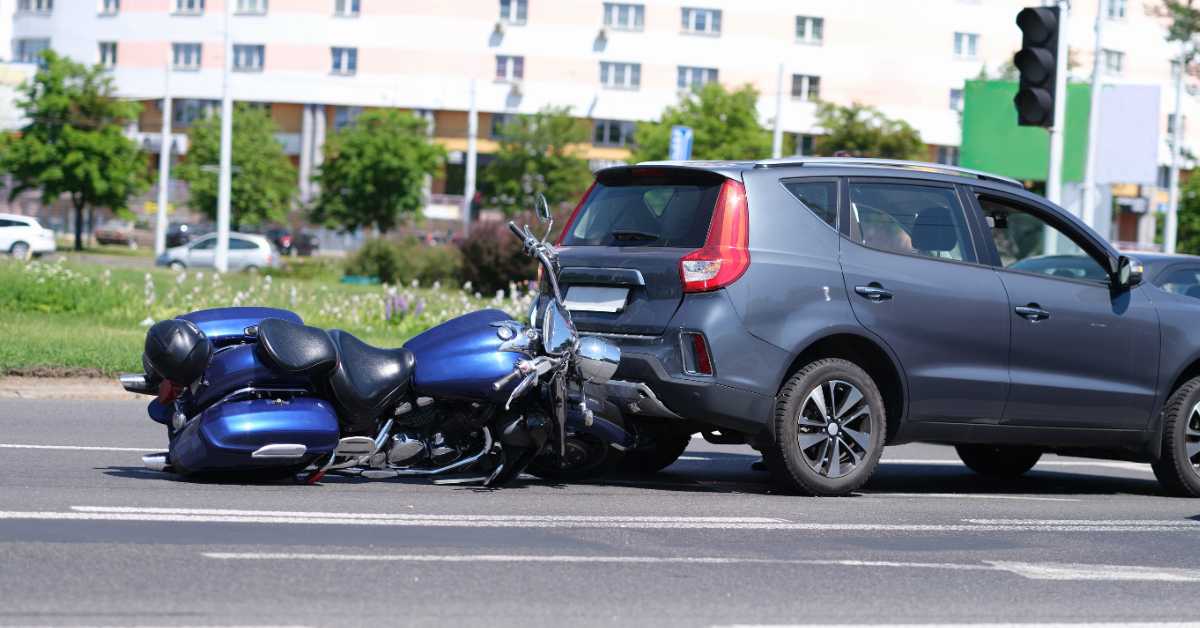
- Rear-end impacts can still involve shared-fault claims.
Key Takeaway: In Oklahoma, the person who “looked safer” is not automatically right. Liability turns on physical evidence, timing, and credible reconstruction—not stereotypes about motorcycles.
What comparative negligence means in Oklahoma
Oklahoma follows modified comparative negligence. If an injured rider is 51% at fault, recovery is barred.
Under Oklahoma law, a plaintiff may recover damages only if that person’s negligence is less than the negligence of the defendant. If fault is split 50/50, recovery may still be allowed; if the rider reaches 51%, the claim fails. Here’s the catch: insurers know this rule well, so they often push hard to raise the rider’s percentage.
Even a smaller fault finding cuts compensation. A rider awarded $100,000 would receive $80,000 if assigned 20% of the blame. That single number can decide whether medical bills get covered or stay on your back for years.
| Rider’s Share of Fault | Effect on a $100,000 Damage Award |
| 0% | $100,000 recoverable |
| 20% | $80,000 recoverable |
| 50% | $50,000 recoverable |
| 51% | $0 recoverable |
How insurers try to increase rider fault
They usually look for conduct they can frame as careless. Sometimes that argument sticks. Often, it does not.
- Alleging speed without solid measurements.
- Claiming the rider “came out of nowhere.”
- Saying protective gear would have reduced injuries.
- Using bike damage to imply reckless operation.
Honestly, this surprises clients all the time. A helmet issue, for example, does not automatically prove a rider caused the collision itself.
Rider bias is real—and it can damage a valid claim
Bias against motorcyclists is common in jury rooms, claim files, and casual witness statements. That bias has to be answered early.
According to the Insurance Institute for Highway Safety, motorcycles offer far less occupant protection than passenger vehicles, which helps explain why injuries are often catastrophic. Severe harm can make insurers defensive; bigger exposure means harder blame tactics. Plain and simple.
Common assumptions sound familiar: the bike was speeding, weaving, showing off, or taking risks. Those claims pop up even in broad daylight crashes where the driver turned left directly into the rider’s lane. I’ve seen adjusters lean on that theme before they even review nearby surveillance footage.
- Bias changes how witnesses describe speed.
- Bias affects how adjusters read the report.
- Bias can influence settlement offers early.
That is one reason hiring counsel early can pull real weight. A lawyer can frame the case around proof before the other side’s story hardens into “fact.”
What evidence proves liability in an Oklahoma motorcycle case
The best evidence usually appears within days, not months. Delay is expensive.
According to the Insurance Institute for Highway Safety, intersections remain a major danger point for riders because crossing paths and failed yielding create deadly conflict points. In Oklahoma cases, proving who had the right of way is often the center of the file.
The evidence that often matters most
- Crash-scene photos that show gouge marks and final rest positions.
- Traffic-camera or business-surveillance video from nearby properties.
- Vehicle black-box or app-based driving data, if available.
- Cell phone records showing distraction at the time of impact.
- Witness statements taken before memories drift.
Police reports help, but they are not the whole ballgame. A report may miss sight lines, braking distance, or the angle of a left turn. Small details. Big consequences.
Medical records matter too because injury pattern can support the mechanics of impact. A low-side slide leaves different clues than a T-bone crash. That distinction can knock down a weak defense theory fast.
Why quick legal action can protect both liability and case value
Early action protects evidence and money. Waiting usually helps the insurer.
Medical costs after a motorcycle wreck can climb fast—ER treatment, imaging, surgery, follow-up care, and lost wages add up in a hurry. If fault is disputed, every delay gives the carrier another chance to discount the claim or argue the injuries came from something else.
| Decision | Likely Result |
| Call a lawyer soon after the wreck | Faster evidence preservation and stronger liability position |
| Wait until the insurer denies fault | Missing video, weaker witness memory, and less settlement pressure |
Most people do not know what evidence exists until someone asks for it the right way. That is why professional help often pays for itself. Not always—but in disputed motorcycle cases, usually.
What to do if the other side says you caused the crash
Do not argue your case alone on a recorded call. Start preserving proof immediately.
- Get medical treatment and follow every recommendation.
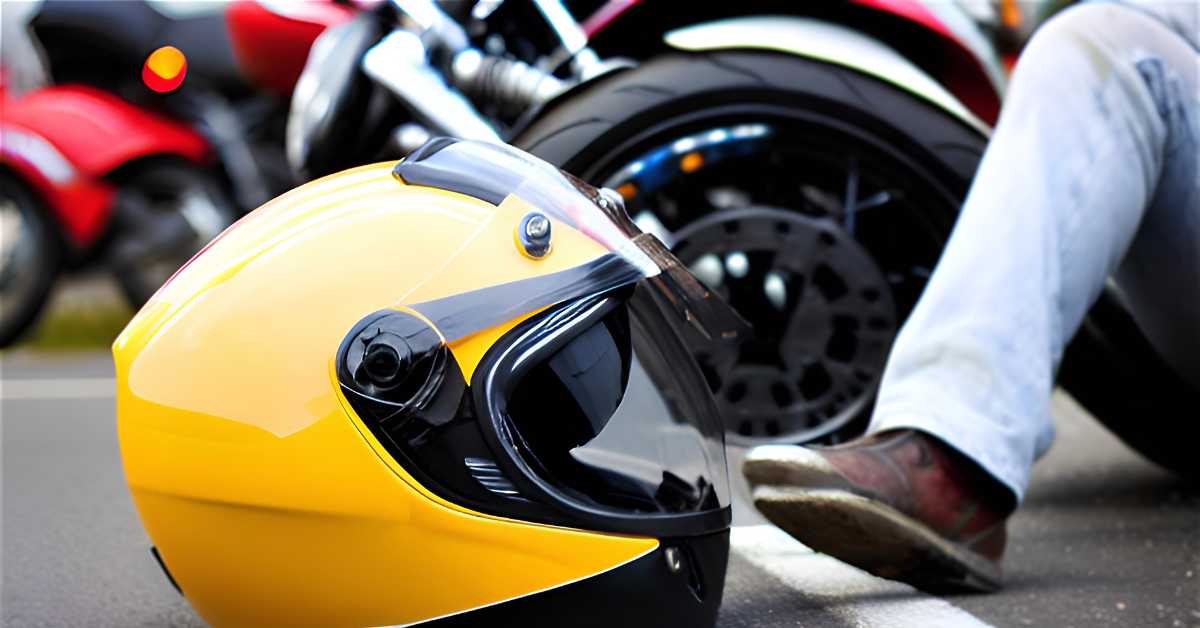
- Save helmet, riding gear, and the motorcycle in post-crash condition.
- Photograph injuries as they develop over time.
- Write down what happened before memory fades.
- Speak with an attorney before giving detailed insurer statements.
Sometimes the truth is buried under noise. Sometimes it is sitting on a convenience-store camera across the street. Either way, a disputed case needs more than a shrug and a police report.
Don’t let a blame-shifting defense define your case
If you were hit on an Oklahoma road, fault should be decided by evidence—not by biker stereotypes or a rushed insurance script. A strong claim starts with fast investigation, clean documentation, and a legal strategy built around Oklahoma’s comparative negligence rules.
That approach can change the outcome. It can also change the value. And for an injured rider staring at bills, missed work, and a bike sitting twisted in a tow yard, that difference means a lot.
Talk with Bryan Garrett, PLLC
If the other driver is not telling the truth, put solid evidence on your side. Bryan Garrett, PLLC helps crash victims across Oklahoma build strong claims with facts, not guesswork.
Call (405) 725-2661 or visit bgarrettlaw.com to schedule a free consultation. We are ready to listen, review your case, and protect your rights.