SKIP TO CONTENT
A bad wreck can flip your life upside down in seconds. Then the doubts start: if you were not wearing a helmet, did you just lose your right to recover anything?
The short answer is no. In Oklahoma, you may still pursue compensation after a motorcycle crash even if you were bareheaded at the time. Here’s the catch—insurance adjusters love to turn that fact into the whole story, especially when the real issue is a careless driver who caused the collision.
What Oklahoma riders should know right away
Oklahoma roads are full of riding routes where one careless lane change can wreck a weekend in a heartbeat. Think I-44 through Tulsa, the Broadway Extension in Oklahoma City, or the traffic knot around NW Expressway and Pennsylvania during State Fair season.
Out near Bricktown, along Cherry Street, or headed past Scissortail Park on a clear evening, riders share the road with drivers who often do not look twice. I’ve seen that detail matter a lot; local crash patterns shape how claims are investigated, from downtown surveillance footage to witness statements near busy intersections.
According to the Oklahoma Highway Safety Office, motorcycles account for a disproportionate share of traffic deaths in the state each year. That number is not just a statistic. It reflects real crashes on familiar roads, from Memorial Road in Edmond to stretches of U.S. 75 where speed and visibility become a rough mix.
Does not wearing a helmet bar you from filing a claim?
No. In Oklahoma, helmet nonuse does not automatically prevent an injured rider from filing a personal injury claim.
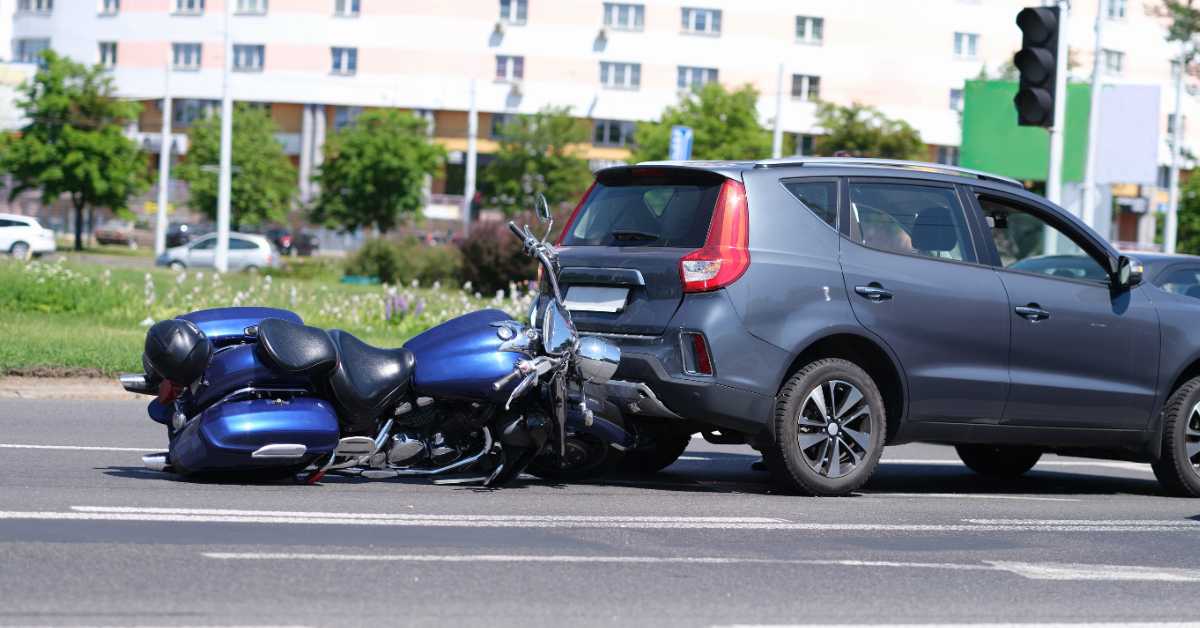
Fault still comes first. If another driver turned left in front of you, drifted into your lane, or rear-ended your bike at a stoplight, their negligence remains central to the case.
Under Oklahoma law, motorcycle operators and passengers under age 18 must wear helmets that meet federal standards. Adults 18 and older are not generally required to wear one. That distinction matters because an insurer cannot treat every adult rider without a helmet as if they broke the law.
According to the National Highway Traffic Safety Administration, helmets are estimated to be 37% effective in preventing fatal injuries for motorcycle operators. Useful data. But that does not mean a driver who caused the crash gets a free pass.
Key Takeaway: In Oklahoma, not wearing a helmet may affect arguments about injury severity, but it does not automatically wipe out your right to seek compensation from the at-fault driver.
How helmet use can affect the value of your case
Helmet use usually affects damages, not liability. That is a big difference.
The defense may argue your head, face, or brain injuries would have been less severe if you had worn a helmet. Fair argument—sometimes. But it only applies where the medical evidence supports that claim.
- If you suffered a broken leg, helmet use may have little to do with that injury.
- If you suffered a traumatic brain injury, the insurer will likely focus on causation.
- If the crash caused multiple injuries, the case may divide damages by injury type.
According to the Centers for Disease Control and Prevention, helmets reduce the risk of head injury by 69%. That figure often shows up in serious cases. Still, Oklahoma claims turn on case-specific proof, not broad averages alone.
Honestly, this surprises some riders. They assume one bad fact sinks everything. It usually doesn’t.
What insurers often try to do
Expect blame-shifting. Lots of it.
| Insurance Company Argument | What It Really Means | How a Lawyer Pushes Back |
| You chose not to wear a helmet. | They want to reduce payout value. | Separate crash fault from injury severity with medical evidence. |
| Your injuries were avoidable. | They are minimizing the driver’s negligence. | Use expert analysis to show which injuries came from the collision itself. |
| You were reckless. | They are attacking credibility. | Present witness statements, scene evidence, and riding conduct facts. |
What Oklahoma law means for adult riders
Adult riders in Oklahoma are generally allowed to ride without a helmet. That legal point matters in settlement talks.
Oklahoma’s motorcycle equipment rules draw a line at age 18. Riders under 18 must wear helmets. Adults usually may choose not to. So, if you are an adult, the insurer cannot honestly frame helmet nonuse as automatic lawbreaking.
According to Oklahoma court practice in negligence cases, comparative fault can reduce damages if an injured person shares responsibility. A rider’s choices may become part of that conversation. Even so, Oklahoma’s modified comparative negligence system still allows recovery if the injured person’s fault is not greater than the combined fault of others.
That is why legal framing matters so much. One sloppy statement to an adjuster can muddy the water fast.
What evidence can protect your claim after a motorcycle crash?
Early evidence can make or break the case. Especially in disputes over injury severity.
- Get emergency records immediately.
- Preserve helmet evidence if one was worn by a passenger or carried with gear.
- Photograph the bike before repairs.
- Secure intersection footage fast; many businesses overwrite video within days.
- Document all diagnosed injuries, not just head trauma.
According to NHTSA crash research, motorcycle impacts often produce severe lower-extremity injuries even apart from head trauma. That matters because insurers sometimes act as if every claimed loss traces back to helmet choice. It doesn’t.
I’d move quickly here. In most cases I’ve worked on, the first two weeks are load-bearing.
Why hiring a lawyer can change the outcome
These cases are rarely simple. They are medical cases wrapped inside liability fights.
A lawyer can challenge weak assumptions, line up expert review, and stop the insurer from chopping down your claim with half-truths. That matters if your bills are climbing, your bike is totaled, and your paycheck just vanished.
- A professional can value future treatment costs.
- A professional can handle comparative-fault arguments.
- A professional can negotiate from documented proof instead of pressure.
Cost is often the first worry. Fair enough. Most personal injury firms, including Bryan Garrett, handle injury cases on a contingency basis, which usually means no attorney fee unless money is recovered.
The next move matters more than the helmet debate
Do not assume your case is dead. That is exactly what the insurance company hopes.
If another driver caused your crash in Oklahoma, you may still have a strong claim even if you were not wearing a helmet. The real question is what caused the wreck, what injuries followed, and what evidence proves both. That’s the ballgame.
Bryan Garrett helps injured riders focus on the facts that pull weight. Real facts. Local facts. The kind that stand up in negotiation and, if needed, in court.
Talk with Bryan Garrett, PLLC
If the other driver is not telling the truth, put solid evidence on your side. Bryan Garrett, PLLC helps crash victims across Oklahoma build strong claims with facts, not guesswork.
Call (405) 725-2661 or visit bgarrettlaw.com to schedule a free consultation. We are ready to listen, review your case, and protect your rights.