SKIP TO CONTENT
Understanding Telematics Devices
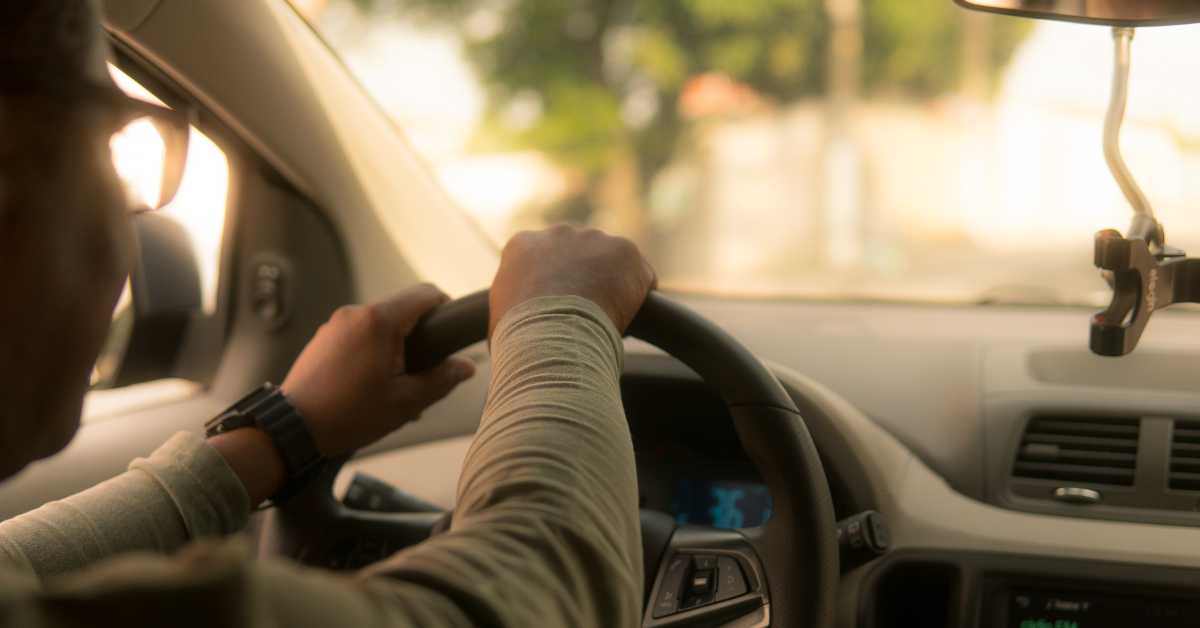
Telematics devices are small pieces of hardware or smartphone apps that record how, when, and where you drive. They collect data such as speed, distance traveled, sudden braking, acceleration, and sometimes even phone usage while behind the wheel.
That information is then shared with your insurance company to help determine your rates based on your actual driving habits rather than broad categories like age or zip code.
Insurance providers across Oklahoma City and surrounding areas are gradually adopting telematics programs because they allow a fairer approach to pricing and can reward safe driving. Most programs are voluntary, but once you opt in, the data begins to shape your insurance premiums in real time.
How Telematics Car Insurance Operates
Telematics-based insurance relies on the steady capture and transmission of data. The process is pretty straightforward:
- Getting Started: Your insurer sends a plug-in device for your car’s diagnostic port, or you download an app directly to your smartphone.
- Data Collection: The device or app records information related to your driving patterns — speed, braking, turns, and time of day are all common metrics.
- Transmission: Information is shared securely with the insurer, usually in real time through a cellular or Wi-Fi connection.
- Premium Adjustment: Based on what’s collected, your rates may go down if you’re a cautious driver or rise if the system shows risky behavior.
- Feedback: Many systems offer access to a dashboard or the app so you can see your own driving score and make improvements.
For Oklahoma drivers, this kind of transparency can be especially useful since weather changes, traffic on I-40, and roadwork in and around OKC can all influence driving conditions and, in turn, insurance rates.
Common Types of Telematics Insurance
There isn’t just one format for telematics-driven policies. Several setups exist depending on your preferences and the insurer’s offerings:
- Black Box Policies: A physical box fixed in your car that tracks all relevant data including speed, braking, and location.
- Mobile App Programs: These use your phone’s sensors and can even detect phone distractions while driving.
- Pay-As-You-Go: Your premium depends mostly on the number of miles you drive, which suits those who don’t use their car often.
- Green Policies: Designed for drivers who value efficiency, rewarding smooth acceleration and lower emissions.
Many Oklahoma families or commuters with shorter daily drives find pay-per-mile insurance appealing, especially if they spend much of their time around downtown OKC rather than on long highway trips.
Benefits of Using Telematics
While telematics devices can seem technical, drivers often find real financial and safety benefits. Some key advantages include:
- Fairer Premiums: Your rate is tied to your personal driving habits instead of factors out of your control.
- Encouragement for Safer Driving: Real-time feedback gives drivers a clear picture of behavior patterns that can be improved.
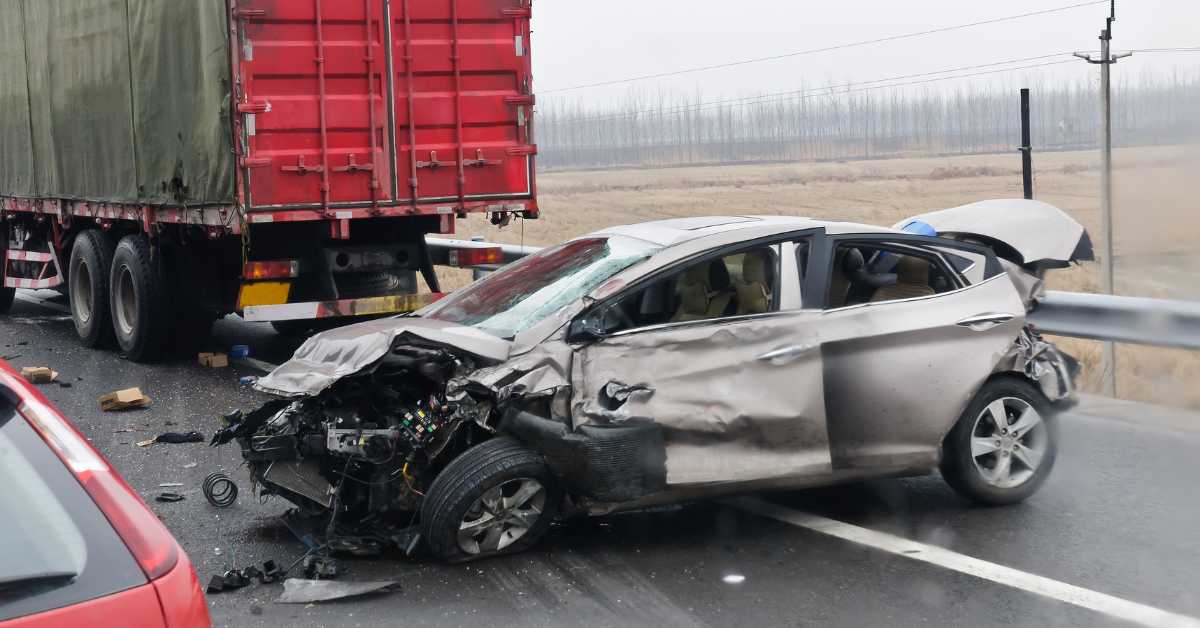
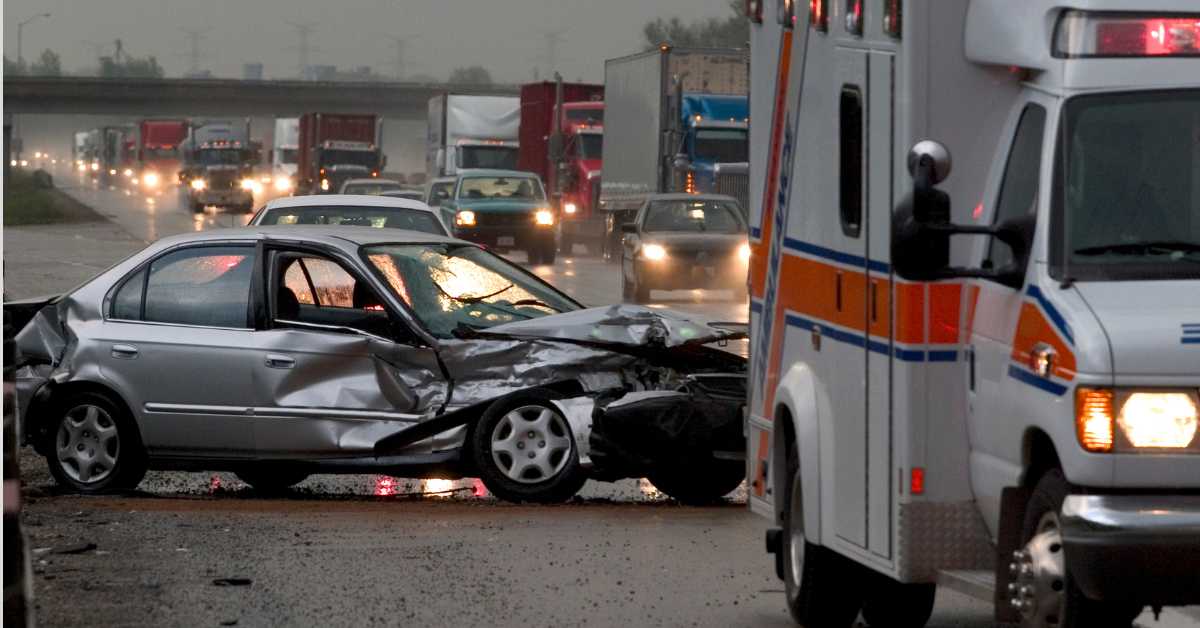
- Claims Verification: The data can help confirm what happened in a collision, which helps insurers and attorneys during disputes.
- Fleet Monitoring: Businesses with multiple vehicles can oversee drivers, track routes, and reduce costs tied to accidents or inefficiency.
- Theft Recovery: GPS features help locate stolen vehicles faster.
Safe drivers in Oklahoma City often see telematics as a way to demonstrate responsibility behind the wheel. It’s not just about saving money but also about building habits that reduce risk on local streets and highways.
Comparing Traditional Insurance and Telematics Insurance
Traditional car insurance depends on broad categories such as age, gender, and city of residence. Telematics, by contrast, personalizes each rate to match behavior data. Here’s how the two differ:
- Traditional: Rates are based heavily on statistics and claims histories. Drivers rarely have control over adjustments until renewal time.
- Telematics-Based: Premiums adapt based on current driving performance. Good habits can bring discounts much sooner.
This shift can be helpful for young or newly insured drivers across central Oklahoma who are working to establish a good record and want a fairer starting rate.
Potential Concerns with Telematics
Despite the possible savings, not every driver is eager to be tracked. A few concerns keep some people from signing up:
- Privacy: Ongoing data collection may feel invasive, especially if you travel frequently or share your car.
- Accuracy Issues: Some phone-based apps may not log every trip accurately if your phone isn’t with you or the signal is weak.
- Higher Premiums for Risky Driving: The same transparency that rewards safe driving can also penalize unsafe behavior.
- Maintenance: Drivers need to make sure devices stay connected and apps keep running for consistent data capture.
In Oklahoma, no law requires you to participate in a telematics program. It’s voluntary. However, once you agree, the data can influence your policy renewals or claims evaluations, so understanding your consent agreement is critical.
Should You Try Telematics Insurance?
Telematics policies are often best for safe, low-mileage drivers who drive mostly around local routes in and near Oklahoma City. Daily commuters who maintain steady speeds, avoid distractions, and rarely drive late at night tend to benefit most.
Those who often find themselves on unpredictable rural roads or who value strict privacy may decide the tradeoff isn’t worth it. Business owners with company fleets, though, frequently see strong improvements in cost and safety once telematics tracking begins.
Looking Toward the Future
As insurers grow comfortable with telematics, you can expect more customized pricing models and broader use of apps rather than physical hardware. With Oklahoma’s mix of urban and rural driving, telematics could become one of the most effective ways to incentivize safer driving habits across all driver categories.
The Oklahoma Insurance Department keeps an eye on data protection rules to ensure telematics technology complies with privacy standards. Drivers considering these programs should confirm their insurer clearly explains what data is stored, how long it’s kept, and whether it could be shared with third parties.
Talk With an Attorney About Your Insurance Rights
If you believe telematics data was mishandled or you faced unfair treatment after a car accident, professional legal advice can help protect your rights. Understanding how your driving data interacts with Oklahoma insurance law can be tricky and requires experienced guidance.
The team at Bryan Garrett, PLLC helps clients throughout Oklahoma City and nearby communities address car accident claims and insurance disputes. If you have questions about telematics programs or any other auto insurance issue, reach out for a free consultation with Bryan Garrett, PLLC today.
FREQUENTLY ASKED QUESTIONS (FAQ):
What are Telematics Devices for Car Insurance?
They are small pieces of hardware or smartphone applications that record how, when, and where you drive, collecting data like speed, distance, and sudden braking to help determine your insurance rates.
What are the main benefits of using telematics for car insurance?
Key benefits include securing fairer premiums based on personal driving habits, encouraging safer driving through real-time feedback, and providing data that can assist in claims verification after a collision.
What are the potential privacy concerns with telematics car insurance?
Concerns include the ongoing data collection feeling invasive, potential accuracy issues with phone-based apps, and the possibility that the same transparency can penalize unsafe behavior with higher premiums.