SKIP TO CONTENT
The Silent Threat After a Car Accident
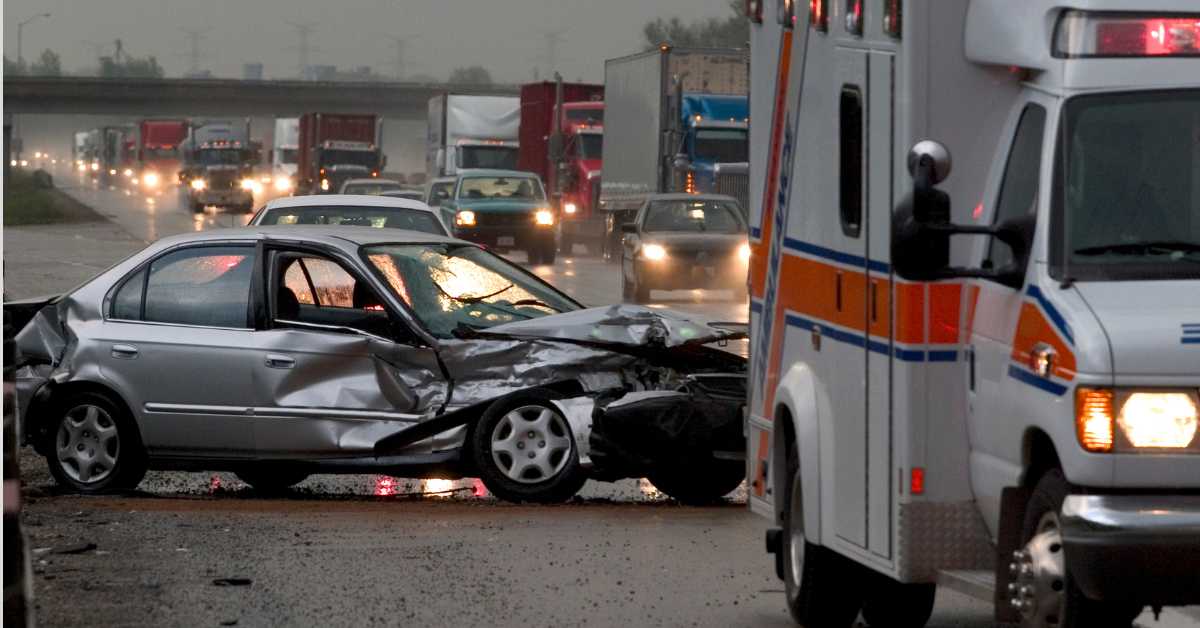
In the chaotic moments following a car crash, your first instinct is often to assess the immediate damage—to yourself, your passengers, and your vehicle. If you can walk away with seemingly minor scrapes or bruises, a profound sense of relief can set in. However, this initial feeling of being “fine” can be dangerously deceptive. The true extent of an injury from an auto accident often doesn’t surface for hours, days, or even weeks. With approximately 5.1 million medically consulted injuries reported from auto accidents in 2023, understanding the silent threat of delayed symptoms is not just important—it’s critical for your long-term health.
The Deceptive Calm: Why Immediate Relief Can Be Misleading
After an accident, many people are surprised to feel little to no pain. This absence of immediate discomfort leads to a common, yet perilous, assumption: “I’m not hurt.” This false sense of security can cause individuals to refuse medical evaluation at the scene or skip a visit to the doctor. They might believe that any minor soreness will resolve on its own. Unfortunately, this overlooks the complex physiological responses that occur during a traumatic event, which can effectively hide significant injuries until the initial shock wears off.
The Adrenaline Mask: How Your Body Hides Injuries
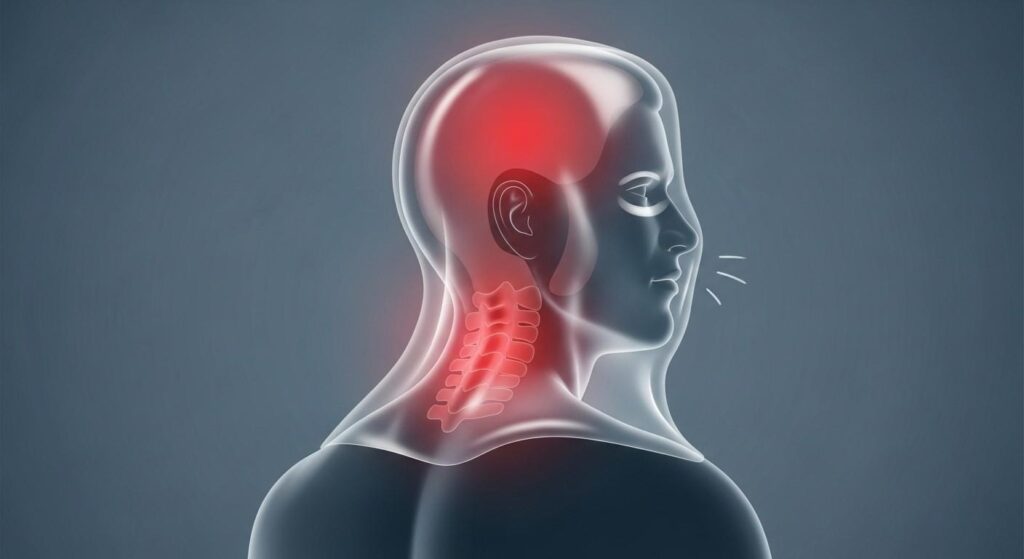
When you experience a car accident, your bodyʼs survival instincts kick in, triggering a “fight-or-flight” response. This floods your system with adrenaline and endorphins.
Adrenaline sharpens your focus and increases your heart rate, preparing you to handle the immediate threat. At the same time, endorphins act as the body’s natural painkillers, producing an analgesic effect that can be powerful enough to mask the pain of serious injuries, from soft tissue damage to internal bleeding. This biological mask is temporary, and once it fades, the underlying pain and symptoms of an injury can begin to emerge.
The Critical Message: Don‘t Dismiss Post–Accident Symptoms
Any new or unusual physical or psychological sensation you experience after a car crash should be taken seriously. A persistent headache, stiffness in your neck, or unexpected back pain that appears a day later is not something to ignore. These delayed symptoms are your body’s way of signaling that something is wrong. Dismissing them as simple soreness can allow a treatable condition to evolve into a chronic problem, leading to long-term pain and diminished quality of life.
The Physiological “Why“: Understanding Delayed Symptoms
The phenomenon of delayed symptoms is not random; it is rooted in a series of predictable physiological processes that unfold after a traumatic event. Understanding why an injury may not be immediately apparent is key to recognizing the importance of monitoring your health after any auto accident. In fact, studies show that about 1 in 5 car accident victims experience pain or injury symptoms on a delayed basis rather than immediately.
The “Fight–or–Flight” Response: Adrenaline and Noradrenaline‘s Role
As discussed, the surge of adrenaline (epinephrine) and noradrenaline during a car crash is a primary culprit for masking pain. These hormones constrict blood vessels, increase heart rate, and heighten awareness, all while dulling pain perception. This allows a person to function in a high-stress situation, but it effectively puts a temporary hold on the bodyʼs ability to register an injury.
Shock and Endorphins: Natural Painkillers at Work
In tandem with adrenaline, the body releases endorphins, which are neuropeptides that act on the opiate receptors in our brains. They are chemically similar to morphine and serve as a powerful natural painkiller. The shock of the accident can trigger a significant release of these chemicals, creating a state of temporary euphoria or numbness that can completely obscure the pain signals from a torn muscle, a herniated disc, or even a concussion.
The Slow Burn: How Inflammation and Tissue Damage Progress
Many common car accident injuries, such as whiplash or soft tissue damage, are not instantaneous events. The initial impact may tear microscopic fibers in muscles and ligaments. In the hours and days that follow, the body initiates an inflammatory response to begin the healing process. This response involves swelling, increased blood flow, and pressure on nerve endings, which is when the pain, stiffness, and discomfort truly begin to manifest.
Developing Conditions: Injuries That Don‘t Manifest Immediately
Certain injuries have an inherently delayed onset. A slow internal bleed might not produce noticeable symptoms until significant blood loss has occurred. A concussion or traumatic brain injury TBI) can cause subtle neurological changes that only become apparent when a person tries to concentrate, struggles with memory, or experiences mood swings days later. Similarly, a herniated disc might not cause immediate pain until the inflammation around it puts pressure on a spinal nerve.
Crucial Delayed Symptoms and What They May Indicate
Recognizing delayed symptoms requires knowing what to look for. These signs can be physical, cognitive, or emotional, and each can point to a specific type of underlying injury that requires medical attention.
Head and Brain Injuries: Beyond the Bump
A headache after an accident should never be ignored. While it can be a symptom of muscle strain in the neck, it is also a hallmark sign of a concussion or a more severe traumatic brain injury. Watch for headaches that worsen over time, dizziness, blurred vision, confusion, memory problems, or sensitivity to light and noise. These neurological symptoms indicate a potential brain injury that needs immediate evaluation.
Neck and Shoulder Injuries: The Whiplash Effect and Beyond
Whiplash is one of the most common neck injuries from a car crash, caused by the rapid back-and-forth motion of the head. Symptoms like neck pain, stiffness, limited range of motion, and pain radiating into the shoulders and arms often take 2448 hours to develop. This discomfort can signal damage to the muscles, ligaments, and cervical discs in the neck.
Back and Spinal Injuries: The Foundation Under Attack
Back pain that appears after an accident can range from a dull ache to sharp, debilitating pain. It may indicate muscle strains, but it can also be a sign of a more serious spinal injury, such as a herniated disc, fractured vertebrae, or nerve damage. Numbness, tingling, or weakness in the arms or legs are red flags for nerve compression and warrant an urgent medical visit.
Internal Injuries: Hidden Dangers Within
Internal injuries are among the most dangerous because they are not visible. Abdominal pain, deep bruising on the torso, dizziness, or fainting could signal internal bleeding or organ damage. These symptoms can be subtle at first but represent a life-threatening medical emergency.
Emotional and Psychological Trauma: The Invisible Wounds
The impact of a car accident is not just physical. Many survivors develop psychological symptoms days or weeks later. These can include anxiety, irritability, sleep disturbances,
flashbacks, and nightmares. If these symptoms persist, they could be signs of Post- Traumatic Stress Disorder (PTSD), a serious condition that requires professional treatment.
Differentiating “Normal Soreness” from Serious Injury Symptoms
It’s common to feel some general muscle soreness after the physical jolt of a car crash. However, it’s vital to distinguish this from the symptoms of a developing injury.
When to Be Concerned: Red Flags That Signal More Than Muscle Strain
Normal soreness is typically dull, generalized, and improves with rest and time. Red flags indicating a more serious injury include pain that is sharp, localized, or shooting; pain that worsens instead of improving; and any neurological symptoms like numbness, tingling, or weakness. A headache, dizziness, or abdominal pain should always be considered a serious warning sign.
The Evolution of Symptoms: How Pain Changes Over Time
Pay close attention to how your symptoms evolve. A mild ache that intensifies into severe pain is a cause for concern. Similarly, a symptom that starts in one area and begins to radiate to another (e.g., neck pain that moves down the arm) suggests a potential nerve issue. Documenting these changes can provide valuable information for your doctor.
The Impact on Daily Life: When Symptoms Affect Function
If your symptoms interfere with your ability to perform daily activities—such as working, sleeping, or concentrating—they are more than just “normal soreness.” For example, untreated injuries can have significant professional consequences, as injured workers could miss up to 30% more days of work compared to their uninjured colleagues. Difficulty turning your head, lifting objects, or sitting for extended periods are clear indicators that you need medical care.
The Critical Importance of Prompt Medical Attention
The single most important step you can take after any car accident is to seek a professional medical evaluation, regardless of whether you feel hurt. Early diagnosis is the key to preventing acute injuries from becoming chronic conditions.
Why You Need to See a Doctor Immediately, Even Without Symptoms
A trained medical professional can identify signs of injury that you might miss. They can perform a physical examination to check for tenderness, swelling, and limited range of motion. Getting checked out creates a medical record linking any potential injuries to the accident, which is crucial for both your health and any future insurance or legal claims.
The Role of Emergency Room Visits and Follow–Up Care
An initial visit to an emergency room or urgent care center can rule out life-threatening conditions like internal bleeding or severe fractures. However, this visit is just the first step. Follow-up care with your primary physician or a specialist is essential for diagnosing and treating soft tissue injuries, whiplash, or concussions that may develop over time.
Diagnostic Testing: Uncovering Hidden Injuries MRI, CT Scan, X–rays)
To get a complete picture of your injuries, doctors often rely on diagnostic imaging. X-rays can identify bone fractures, while CT scans and MRIs provide detailed images of soft tissues, the brain, and the spinal cord. These tests are invaluable for uncovering hidden damage like herniated discs, internal bleeding, or brain injury.
Consequences of Delaying Treatment: Chronic Pain and Permanent Damage
Waiting to seek treatment can have devastating consequences. An untreated neck injury can lead to chronic pain and degenerative disc disease. A missed concussion can result in long-term cognitive difficulties. Delaying care allows inflammation to set in and scar tissue to form improperly, potentially leading to permanent damage and a lifetime of pain.
Preventing “Second Impact Syndrome” with Brain Injuries
For those with a concussion, seeking immediate care is vital to prevent “second impact syndrome.” This rare but often fatal condition occurs when a person sustains a second head injury before the first one has fully healed. A proper diagnosis and a prescribed rest period are essential for safe recovery.
Your Action Plan: What To Do After Noticing Delayed Symptoms
If you begin to notice any new symptoms in the days following your accident, it’s time to act decisively.
Seek Medical Care Immediately: Don‘t Wait to Get a Diagnosis
Do not adopt a “wait and see” approach. The moment you notice a new headache, back pain, or any other concerning symptom, contact a doctor. Describe the symptom and explain that you were recently in a car accident. This context is critical for an accurate diagnosis.
Be Thorough and Honest with Medical Professionals
When you see a doctor, provide a complete and detailed account of the accident and all your symptoms, no matter how minor they seem. Mention the onset, location, and intensity of the pain, as well as any cognitive or emotional changes you’ve experienced.
Follow Through with Treatment: Physical Therapy, Chiropractic Care, Specialists
A diagnosis is only the beginning. Your recovery depends on following your doctor’s prescribed treatment plan. This may include physical therapy to restore strength and mobility, chiropractic care to address spinal alignment, or visits with specialists like neurologists or orthopedic surgeons. Committing to your treatment is your best path to a full recovery.
Conclusion
The aftermath of a car accident is a vulnerable time, and the human body’s ability to mask pain with adrenaline can create a dangerous illusion of well-being. The true dangers often lie in the delayed symptoms that surface long after the initial shock has subsided. From a persistent headache signaling a brain injury to the slow onset of back pain from a herniated disc, these hidden injuries can lead to chronic pain and permanent damage if ignored.
Prioritizing your health is paramount. Even though traffic safety measures continue to improve, as shown by a decrease in traffic-related fatalities in New York City from 64 in early 2024 to 41 in early 2025, accidents remain a serious threat. Your next steps are clear: listen to your body, refuse to dismiss any new symptoms, and seek prompt medical attention. By taking these proactive steps, you empower yourself to uncover hidden injuries, begin the path to recovery, and protect your long-term health and well-being.
For personalized legal assistance and to maximize your claim potential, contact Bryan Garrett PLLC at 405-839-8424 or online at Bryan Garrett PLLC for a consultation.
Frequently Asked Questions (FAQ):
Why do car accident symptoms appear later?
After a car accident, your body releases adrenaline and endorphins, which act as natural painkillers and can mask the immediate pain of injuries. Inflammation and tissue damage also progress slowly, causing symptoms to emerge hours, days, or even weeks later.
What are common delayed symptoms after a car accident?
Common delayed symptoms include headaches, dizziness, blurred vision, neck pain, stiffness, back pain, numbness or tingling in limbs, abdominal pain, and emotional distress like anxiety or sleep disturbances. These can indicate serious issues like concussions, whiplash, herniated discs, or internal injuries.
When should I seek medical attention after a car accident if I feel fine?
You should seek medical attention immediately after any car accident, even if you feel fine. A medical professional can identify hidden injuries that you might miss, and early diagnosis is crucial to prevent acute injuries from becoming chronic conditions.